
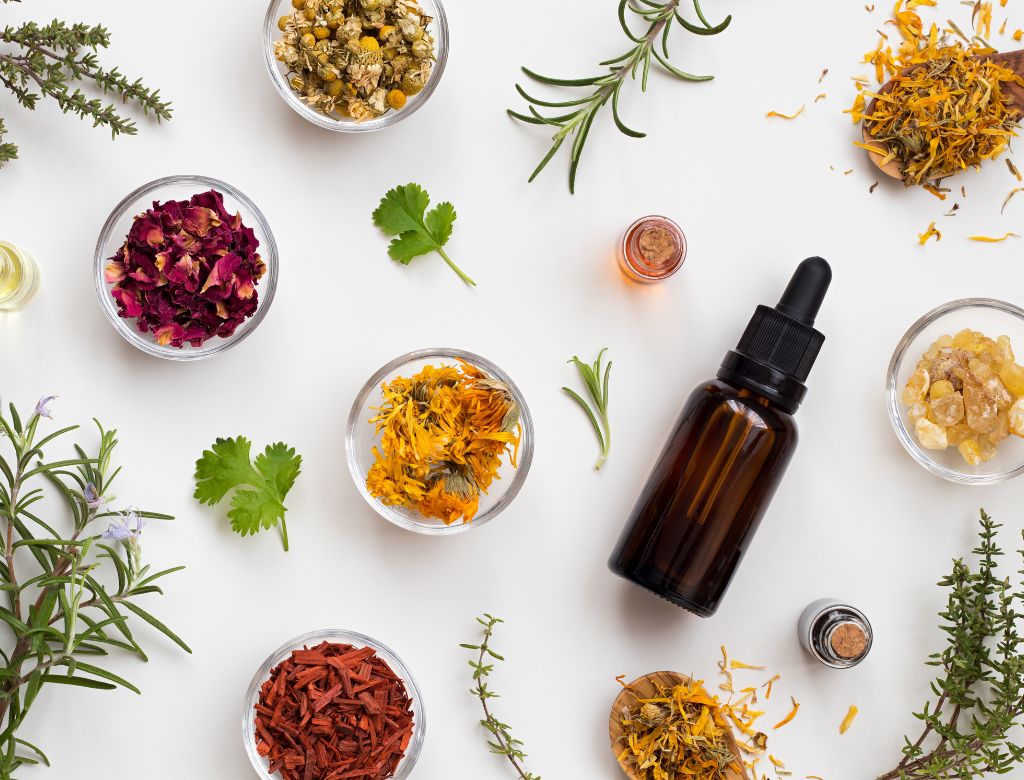
How Aromatherapy Can Transform Your Mood
Aromatherapy, often synonymous with essential oil therapy, is more than a pleasant fragrance. This ancient practice, dating back thousands of years, uses naturally extracted aromatic essences from plants to promote the health of the body, mind, and spirit. In recent years, aromatherapy has garnered significant attention for its potential to influence mood and emotional well-being. In this blog post, we will delve into the science behind aromatherapy, explore how it affects our mood, and discuss some of the most popular essential oils used to enhance emotional health.
The Science of Aromatherapy
Aromatherapy is rooted in the olfactory system—the body’s sensory system for smell. When we inhale essential oils, the scent molecules travel through the nose and stimulate the olfactory nerves. These nerves send signals to the brain’s limbic system, which is responsible for emotions, memories, and arousal.
The limbic system is closely connected to the parts of the brain that control heart rate, blood pressure, breathing, memory, stress levels, and hormone balance. This is why the scent of essential oils can have such a profound effect on both the body and mind. For instance, lavender oil is often used to promote relaxation. In contrast, citrus oils like lemon or orange can uplift and energize.
In addition to inhalation, essential oils can be absorbed through the skin, allowing their properties to be directly delivered into the bloodstream. This method is commonly used in massage therapy, where oils are combined with carrier oils like jojoba or almond oil.
How Aromatherapy Affects Mood
Aromatherapy’s influence on mood can be profound, as the practice can evoke memories, soothe anxiety, lift spirits, and even help manage symptoms of depression. Let’s explore some key ways in which aromatherapy affects our mood:
Stress Reduction and Relaxation
- Stress is a common issue in today’s fast-paced world. Aromatherapy can help reduce stress levels and promote relaxation by using calming essential oils. Lavender, chamomile, and ylang-ylang are among the most popular oils for stress relief. Lavender, in particular, has been extensively studied for its ability to lower cortisol levels, the hormone responsible for stress. By reducing cortisol, lavender oil helps the body enter a state of relaxation, promoting a calm and peaceful mood.
Enhancing Mood and Fighting Depression
- Depression is a severe condition that can significantly impact an individual’s quality of life. While aromatherapy is not a substitute for professional treatment, it can be a supportive tool in managing symptoms. Citrus essential oils, such as bergamot, lemon, and grapefruit, are known for their uplifting properties. These oils can help stimulate the release of serotonin and dopamine, neurotransmitters that play a crucial role in mood regulation. Bergamot oil, for example, has been shown to reduce feelings of anxiety and depression, making it a valuable addition to a self-care routine.
Boosting Energy and Focus
- Aromatherapy can also be used to enhance cognitive function, increase energy levels, and improve focus. Peppermint and rosemary essential oils are renowned for their stimulating effects. With its invigorating scent, Peppermint oil can help clear the mind and boost mental clarity, making it an excellent choice for those who need extra push during a busy day. On the other hand, Rosemary oil has been shown to improve memory retention and concentration, making it beneficial for students or professionals who need to stay sharp.
Improving Sleep Quality
- Sleep is essential for overall well-being, yet many people struggle with insomnia or poor sleep quality. Aromatherapy can be a natural remedy for improving sleep by creating a relaxing environment that promotes rest. Lavender, chamomile, and sandalwood are commonly used to induce sleep. Lavender, in particular, has sedative properties that help calm the nervous system and prepare the body for sleep. By diffusing these oils before bedtime or applying them to a pillow, individuals can create a peaceful sleep environment that enhances both the quality and duration of sleep.
Alleviating Symptoms of Anxiety
- Anxiety is a common mental health issue that affects millions of people worldwide. Aromatherapy offers a non-invasive way to manage anxiety symptoms through the use of grounding and calming essential oils. Frankincense, cedarwood, and vetiver are known for their ability to stabilize emotions and reduce feelings of panic. These oils can help individuals feel more centered and grounded, making it easier to navigate stressful situations.
Creating a Positive Environment
- Beyond individual benefits, aromatherapy can also be used to create a positive and uplifting environment. Whether at home, in the office, or in communal spaces, diffusing essential oils like citrus, mint, or floral blends can transform the atmosphere.Thisnot only improves the mood of those in the space but also fosters a sense of well-being and harmony.
Popular Essential Oils and Their Effects on Mood
Understanding the properties of different essential oils is key to effectively using aromatherapy for mood enhancement. Here are some of the most popular essential oils and their mood-boosting effects:
- Lavender:Lavender oil is known for its calming and relaxing properties.Lavender oil often used to reduce stress,anxiety and promote sleep. It is one of the most versatile essential oils for various emotional needs.
- Peppermint: This invigorating oil is excellent for boosting energy and mental clarity. Itis often used to combat fatigue, improve focus, and uplift the mood.
- Bergamot: A citrus oil with a sweet, fruity aroma, bergamot is known for its ability to elevate mood and alleviate symptoms of depression and anxiety. It is often used in blends to create a joyful and positive environment.
- Chamomile: With its gentle, soothing scent, chamomile is excellent for promoting relaxation and reducing irritability. It is commonly used in aromatherapy to treat insomnia and anxiety.
- Rosemary: Rosemary oil is valued for improving concentration and memory. It is a stimulating oil that can enhance cognitive function and alert the mind.
- Ylang-Ylang: This floral oil is known for its ability to balance emotions and reduce feelings of stress. It has a sweet, exotic scent that is often used in aromatherapy for relaxation and mood enhancement.
- Frankincense: Often used in meditation practices, frankincense has grounding properties that help reduce anxiety and promote a sense of peace and calm. It is ideal for creating a serene environment.
- Grapefruit: With its fresh and uplifting scent, grapefruit oil is an excellent choice for boosting mood and combating feelings of sluggishness. It is often used in blends to create an energizing and positive atmosphere.
How to Incorporate Aromatherapy into Daily Life
Incorporating aromatherapy into your daily routine is simple and can be tailored to fit your needs. Here are some practical ways to use essential oils for mood enhancement:
- Diffusion: Using an essential oil diffuser is one of the most popular ways to enjoy the benefits of aromatherapy. Add a few drops of your chosen essential oil to the diffuser, and let the scent fill the room. This method is ideal for creating a specific atmosphere, whether you need to relax, focus, or energize.
- Inhalation: For a quick mood boost, inhale essential oils directly from the bottle or add a few drops to a tissue or cotton ball. This method provides immediate aromatherapy benefits, making it perfect for on-the-go use.
- Massage: Combining essential oils with a carrier oil for massage can enhance the therapeutic experience. The oils are absorbed through the skin, providing physical and emotional benefits. For example, a calming massage with lavender or chamomile oil can help reduce stress and promote relaxation.
- Bathing: Adding essential oils to your bath can create a luxurious and therapeutic experience. A warm bath infused with lavender or ylang-ylang oil can help soothe the mind and body, making it a great way to unwind after a long day.
- Personal Care Products: Many personal care products, such as lotions, shampoos, and body sprays, are available with added essential oils. Choosing products that contain mood-enhancing oils can provide subtle aromatherapy benefits throughout the day.
- Aromatherapy Jewelry: Aromatherapy jewelry, such as diffuser necklaces or bracelets, allows you to carry your favorite scents wherever you go. These accessories typically have a small compartment for essential oils, providing a continuous release of aroma throughout the day.
Safety Considerations in Aromatherapy
While aromatherapy is generally safe, using essential oils with cautiousness is important. Essential oils are highly concentrated and should always be diluted with a carrier oil before being applied to the skin. It is also necessary to perform a patch test to ensure you do not have an allergic reaction to the oil.
Pregnant women, children, and individuals with certain medical conditions should consult with a healthcare provider before using essential oils. Some oils maybe contraindicated for certain conditions, so it is crucial to use them under the guidance of a professional.
Conclusion
Aromatherapy offers a natural and effective way to enhance mood and emotional well-being. Whether you’re looking to reduce stress, boost energy, or create a positive environment, there is an essential oil that can help you achieve your goals. By understanding the properties of different oils and how they affect the mind and body, you can harness the power of aromatherapy to improve your quality of life. So, the next time you’re feeling overwhelmed or need a mood boost, consider reaching for your favorite essential oil and let the power of aromatherapy work its magic.
References
Stewart, D. (2005). The Chemistry of Essential Oils Made Simple: God’s Love Manifest in Molecules. Care Publications.
Hur, M.-H., Song, J.-A., Lee, J., Lee, M. S. (2014). Aromatherapy for Stress Reduction in Healthy Adults: A Systematic Review and Meta-Analysis of Randomized Clinical Trials. Maturitas, 79(4), 362-369.
McCaffrey, R., Thomas, D. J., Kinzelman, A. O. (2009). The Effects of Lavender and Rosemary Essential Oils on Test-Taking Anxiety Among Graduate Nursing Students. Holistic Nursing Practice, 23(2), 88-93.
Bagetta, G., Cosentino, M., Sakurada, S., (2015). Aromatherapy: Basic Mechanisms and Evidence Based Clinical Use. CRC Press.
Hongratanaworakit, T. (2011). Relaxing Effect of Rose Oil on Humans. Natural Product Communications, 6(1), 119-122.
